
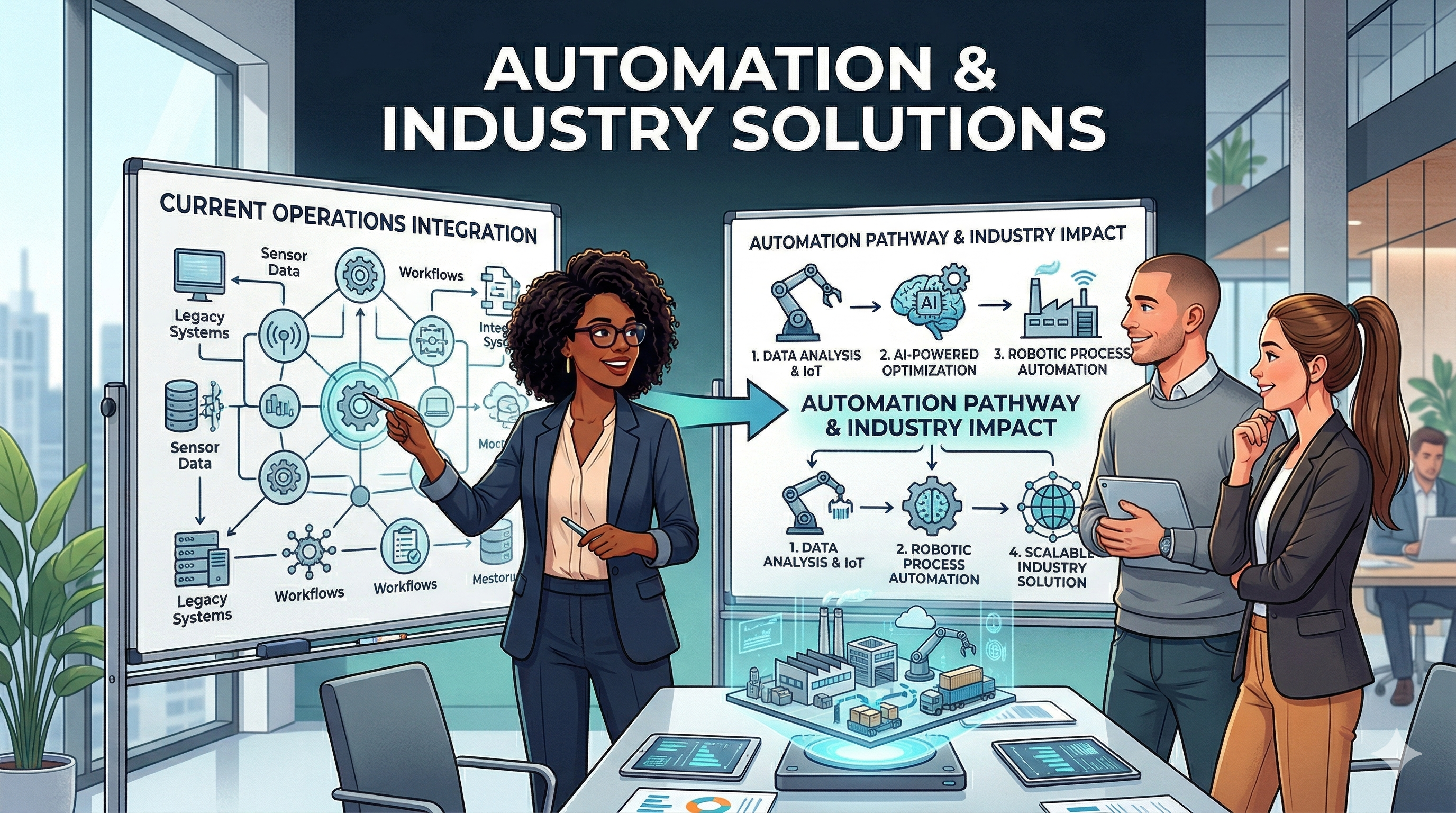
Automation & Industry Solutions
Automation is no longer a futuristic concept—it’s the engine driving modern business success. From manufacturing floors to corporate offices, intelligent systems are transforming how work gets done. But here’s the real game-changer: automation alone isn’t enough—how you communicate it determines whether it succeeds or fails.
The Rise of Automation in Modern Industries
The rapid evolution of Automation & Industry Solutions has reshaped industries across the globe. Businesses are leveraging automation to streamline operations, reduce costs, and improve accuracy.
From robotics in manufacturing to AI-powered analytics in decision-making, How Smart Automation Is Changing Modern Businesses is evident in:
- Faster production cycles
- Improved quality control
- Real-time data insights
However, with these advancements comes complexity. Without proper communication, even the most advanced systems can create confusion rather than clarity.
Why Communication Is Critical in Automation
Automation introduces new processes, tools, and workflows. If employees don’t understand them, adoption becomes a challenge.
This is where The Secret to Building Trust Through Strategic Communication comes into play. When organizations clearly explain the purpose and benefits of automation, they:
- Reduce resistance to change
- Build confidence among teams
- Improve overall implementation success
Practical Insight:
Imagine introducing an automated reporting tool. If leadership simply rolls it out without explanation, employees may feel overwhelmed. But if they Turn Complex Ideas into Clear Business Messages—explaining how the tool saves time and improves accuracy—employees are far more likely to embrace it.
Simplifying Industrial Solutions Through Better Communication
One of the biggest challenges in automation is making complex systems understandable. Simplifying Industrial Solutions Through Better Communication ensures that everyone—from frontline workers to executives—can align with new technologies.
How to Simplify Complexity:
- Use clear, jargon-free language
- Focus on outcomes rather than technical details
- Provide step-by-step guidance
Example:
Instead of saying:
“This AI-driven system optimizes operational workflows through predictive analytics…”
Say:
“This system helps you anticipate issues before they happen, saving time and reducing errors.”
This approach builds clarity and trust simultaneously.
Automation + Communication = Business Efficiency
Technology drives efficiency—but communication unlocks its full potential. The equation is simple: Automation + Communication = Business Efficiency.
When organizations combine both effectively:
- Teams collaborate more smoothly
- Processes become more transparent
- Productivity increases
For example, a logistics company using automated tracking systems can significantly improve delivery times—but only if employees understand how to use and interpret the system correctly.
The Role of Training in Automation Success
To fully leverage automation, businesses must invest in people. Training ensures that employees not only understand new systems but also feel confident using them.
Building Skills Through Training
Organizations can implement:
- Core Corporate Training to establish foundational knowledge
- Corporate training programs focused on automation tools and communication
- Employee development training to enhance adaptability and problem-solving skills
A Professional training & development company can help design programs tailored to specific business needs.
Leadership and Communication
Automation initiatives often fail due to poor leadership communication. Through Leadership development workshops, managers can learn how to:
- Communicate change effectively
- Align teams with organizational goals
- Address concerns and build trust
Strong leadership ensures smoother transitions and better outcomes.
Flexible Training Approaches
Modern workplaces require flexible learning options, such as:
- On-site corporate training for hands-on experience
- Virtual training solutions for remote and hybrid teams
- Collaboration with Workplace training providers for scalable programs
Additionally, Customized training solutions allow businesses to address unique challenges and industry-specific requirements.
Future Trends in Automation and Training
According to Training Industry – trends industrial automation, the future of automation is closely tied to workforce development and communication strategies.
Emerging trends include:
- Increased use of AI and machine learning
- Greater focus on human-machine collaboration
- Continuous learning and upskilling
This highlights a crucial point: Future-Ready Businesses Start with the Right Communication Strategy. Companies that prioritize both technology and communication will lead the way.
Practical Strategies for Businesses
To successfully implement automation and industry solutions, consider these actionable steps:
1. Communicate Early and Often
Keep employees informed about upcoming changes and benefits.
2. Focus on Benefits
Highlight how automation improves daily work, not just business metrics.
3. Provide Ongoing Training
Use Corporate training programs and Employee development training to build confidence and competence.
4. Encourage Feedback
Create channels for employees to share concerns and suggestions.
5. Align Technology with People
Remember, automation supports people—it doesn’t replace them.
Conclusion: The Human Side of Automation
Automation is transforming industries at an unprecedented pace, but its success depends on more than just technology. It requires clear communication, effective training, and strong leadership.
Key takeaway: The true power of Automation & Industry Solutions lies in combining innovation with clarity. When businesses embrace Automation + Communication = Business Efficiency, they not only optimize operations but also build trust, empower employees, and create a foundation for long-term success.